- A wall painting printed from the world's most ancient classical fine art
- It gives the place elegance and elegance, reflected in the precision of colours, art and beauty
- It matches the colors of classic and modern furniture and decor.
- Suitable for home or office walls
- High-quality printing that shows the colors and details of the painting in a way that illustrates the magic of old paintings
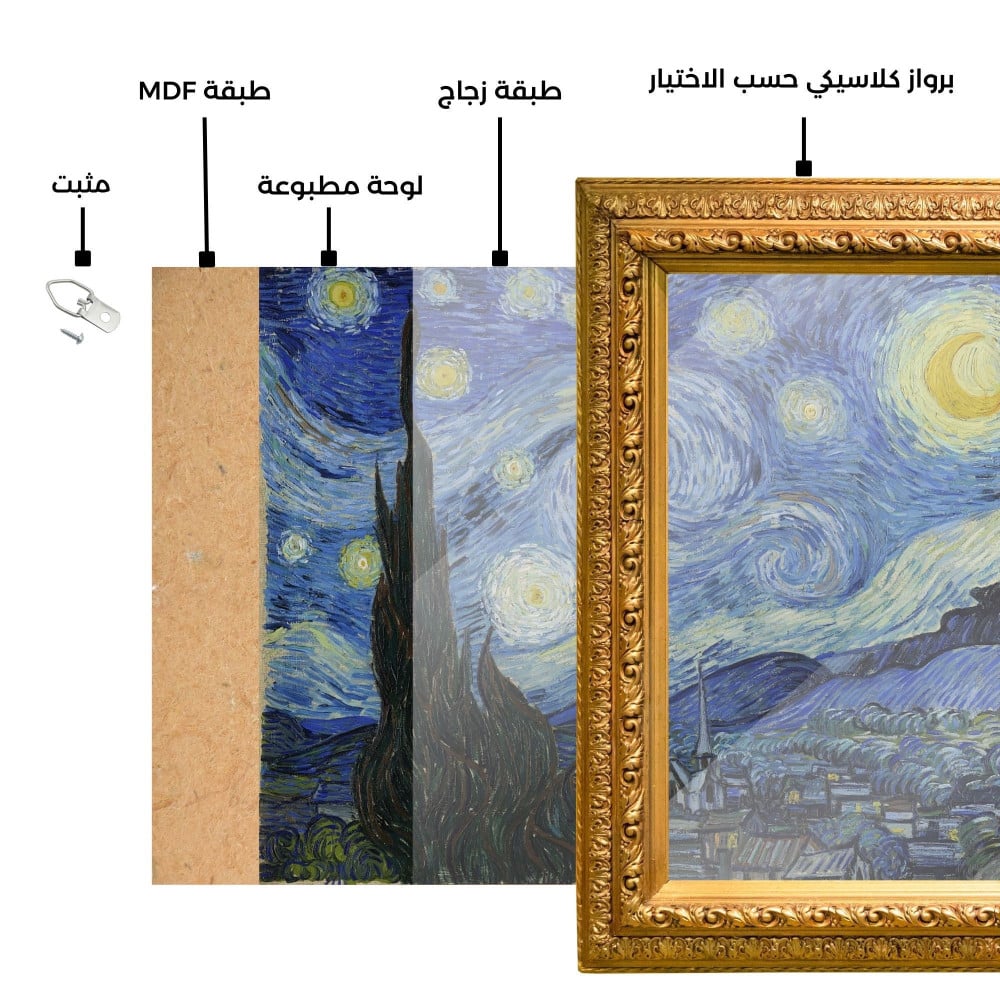
- Coated with glass
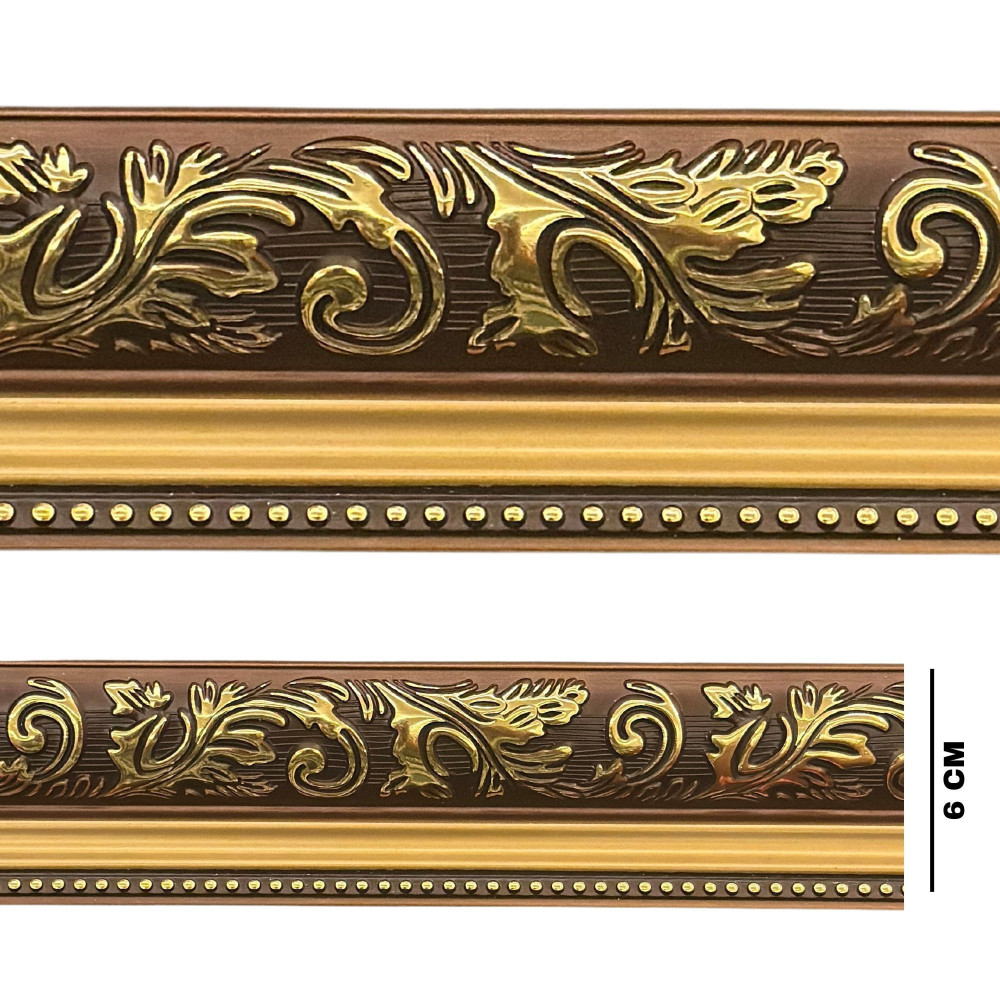
- The classic frame was used to reflect the elegance of the painting and evoke a charming, classic feel
- Available in several options and sizes
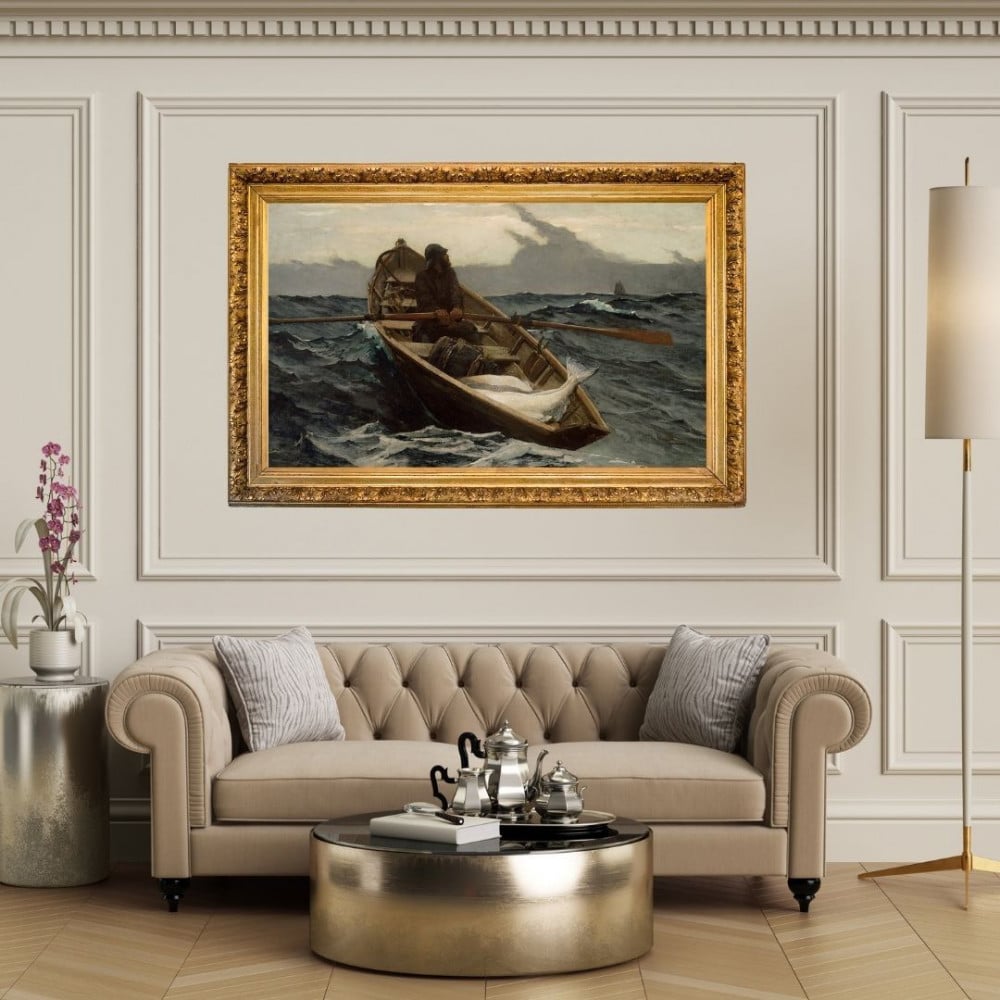
A painting called ( The Fog Warning ) is a painting painted by Homer
We present to you an overview of the artist of the painting:
Winslow Homer or Homer 1836-1910 was an American landscape painter
He is best known for his marine themes. He is considered one of the most prominent painters in nineteenth-century America and a prominent figure in American art. Homer, largely self-taught, began his career working as a commercial illustrator. He then took up oil painting and produced major studio works characterized by weight and density that he exploited from the medium. He also worked extensively in watercolor, creating fluid and prolific works, primarily chronicling his working vacations
Homer was born in Boston, Massachusetts, the second of three children of Charles Savage Homer and Henrietta Benson Homer, whose mother was a talented watercolorist and Homer's first teacher. She and her son had a close relationship throughout their lives. Homer acquired many of her traits, including her calm, strong-willed, sociable nature, her dry sense of humor, and her artistic talent.
Homer had a happy childhood, growing up mostly in rural Cambridge, then Massachusetts. He was an average student, but his artistic talent was evident in his early years. Homer's father was a volatile and troubled businessman who was always looking to "kill." When Homer was 13 years old, Charles gave up the hardware store to seek his fortune in the California gold rush. When that failed, Charles left his family and went to Europe to raise capital for other get-rich-quick schemes that never came to fruition. After Homer graduated from high school, his father saw a newspaper ad and arranged for an apprenticeship. Homer's apprenticeship at the age of nineteen to J. H. Buford, a commercial lithographer in Boston, was an experience. He worked frequently on sheet music covers and other commercial works for two years.
Homer opened his own studio in Boston. Homer's career as a painter lasted nearly twenty years. He contributed illustrations of Boston life and rural New England life to magazines such as Palo's Illustrated and Harper's Weekly.
At a time when the illustration market was growing rapidly and trends and fashions were changing rapidly. His early works, mostly commercial woodcuts of urban and rural social scenes, are characterized by clear outlines, simplified forms, dramatic contrasts of light and dark, and lively groupings of figure, qualities that remained important throughout his career. His rapid success was due mostly to this strong understanding of graphic design and also to the ability of his designs to be adapted to woodcut. Before moving to New York City in 1859, Homer lived with his family in Belmont, Massachusetts. His uncle's mansion, Belmont, was the inspiration for a number of early illustrations and paintings, including several croquet portraits of the 1860s. The Homer House, owned by the Belmont Woman's Club, is open for public tours.