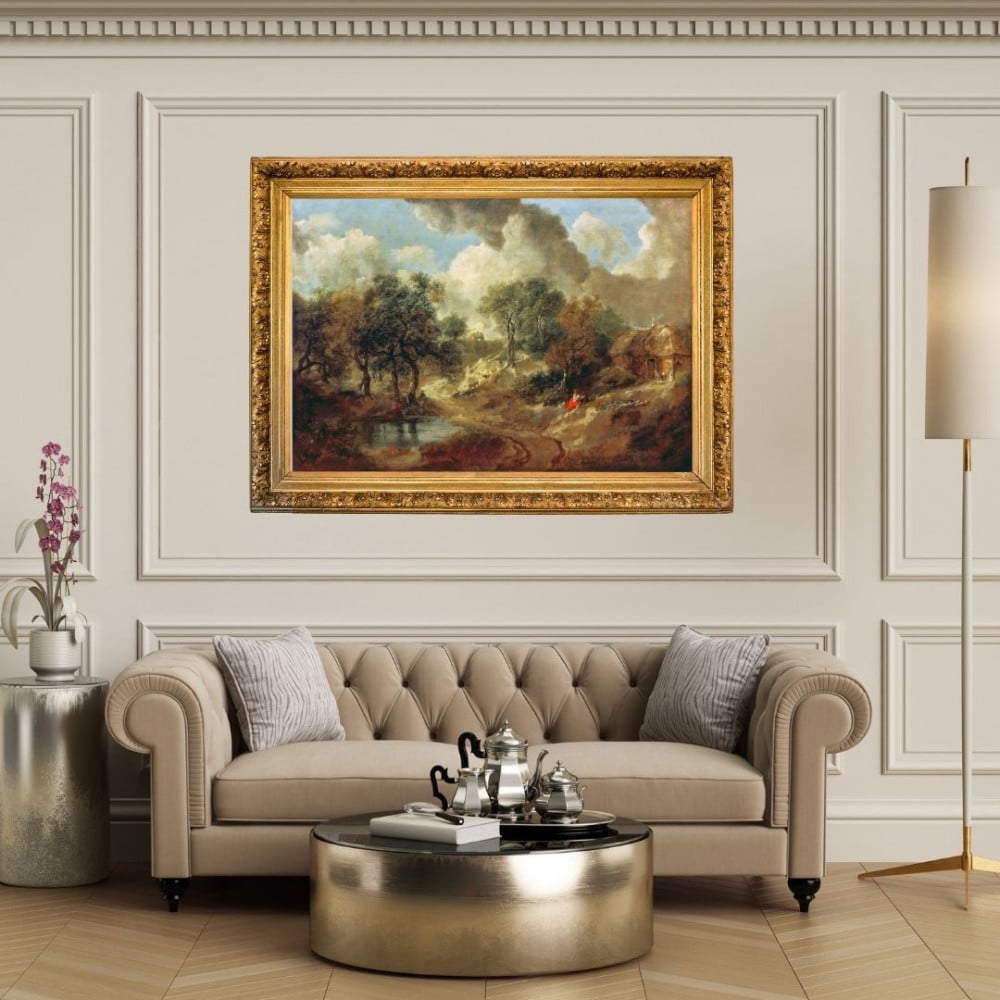
- A wall painting printed from the world's most ancient classical fine art
- It gives the place elegance and elegance, reflected in the precision of colours, art and beauty
- It matches the colors of classic and modern furniture and decor.
- Suitable for home or office walls
- High-quality printing that shows the colors and details of the painting in a way that illustrates the magic of old paintings
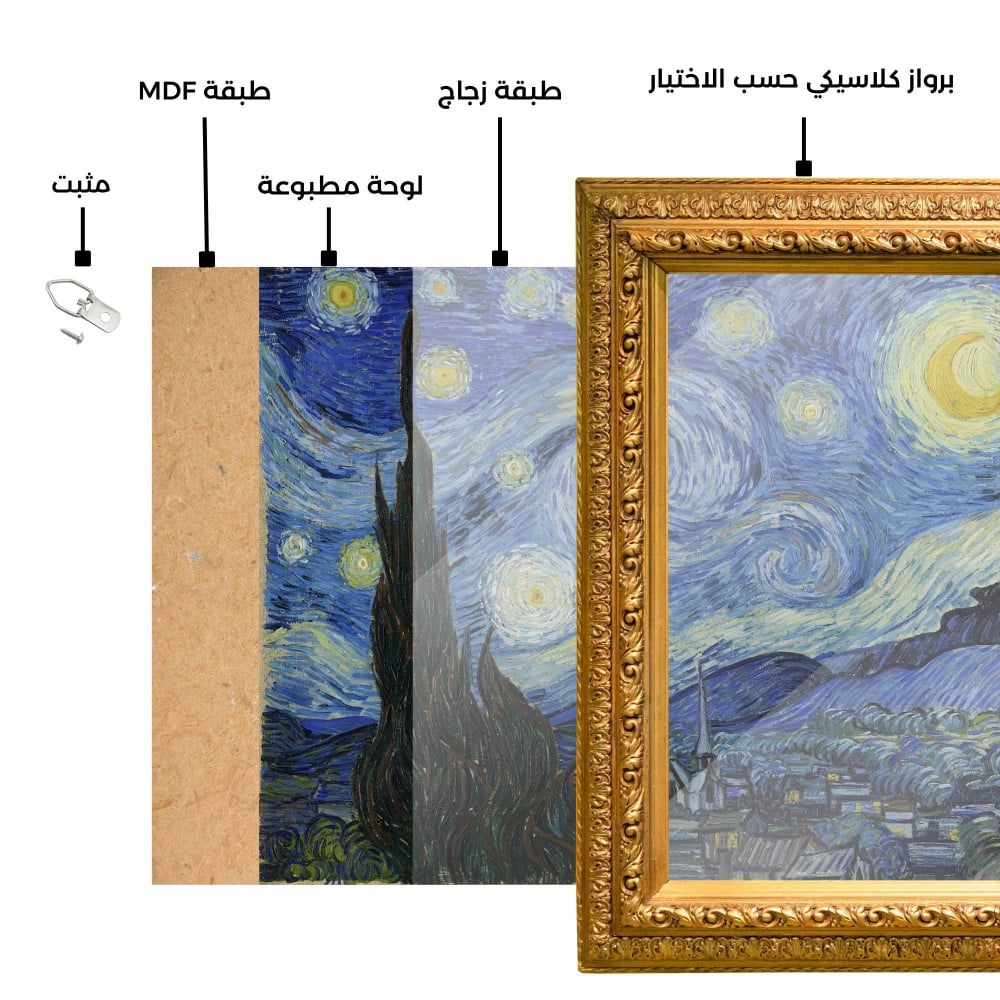
- Coated with glass
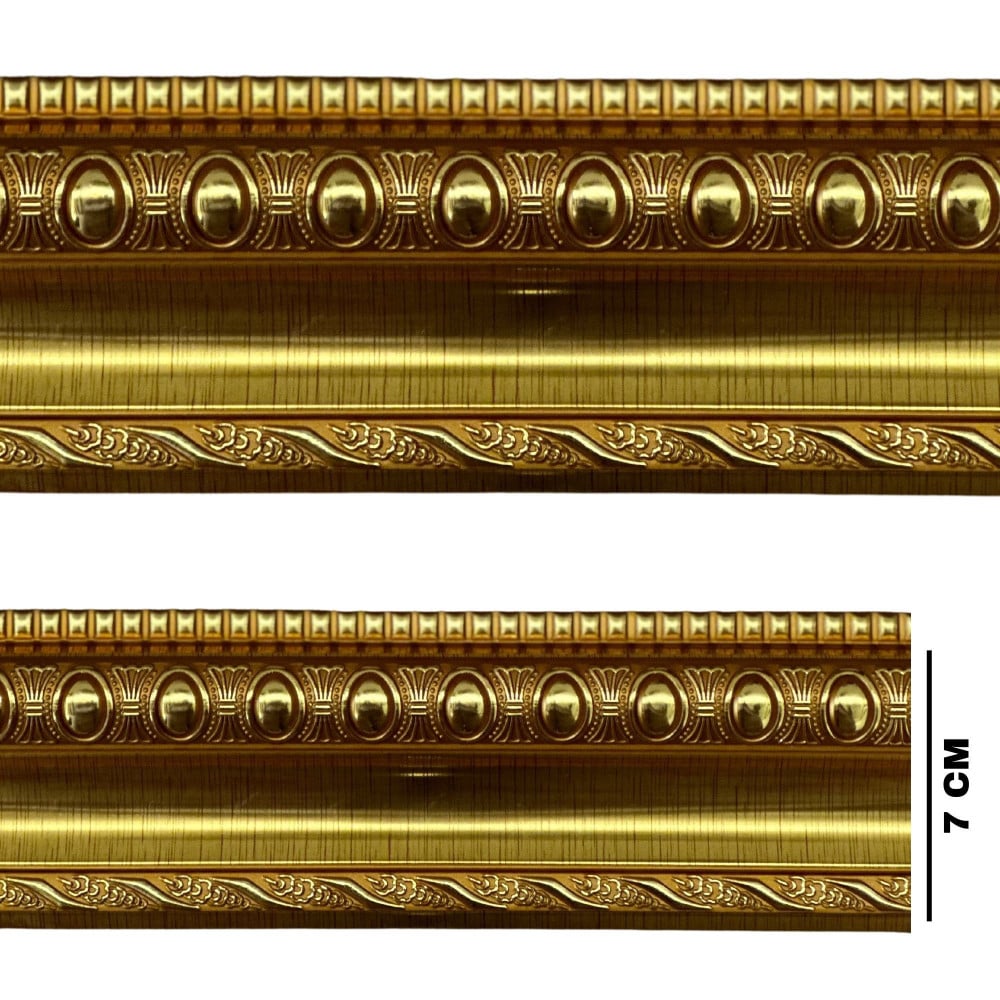
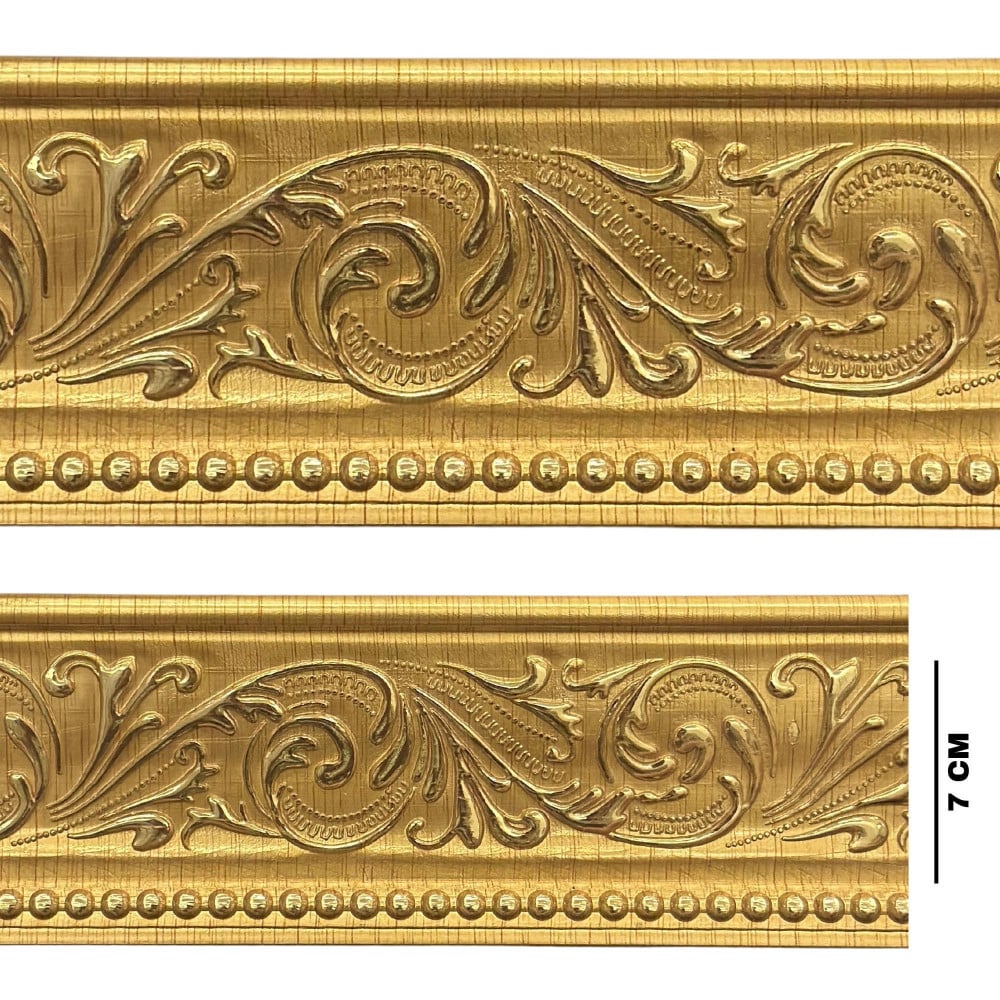
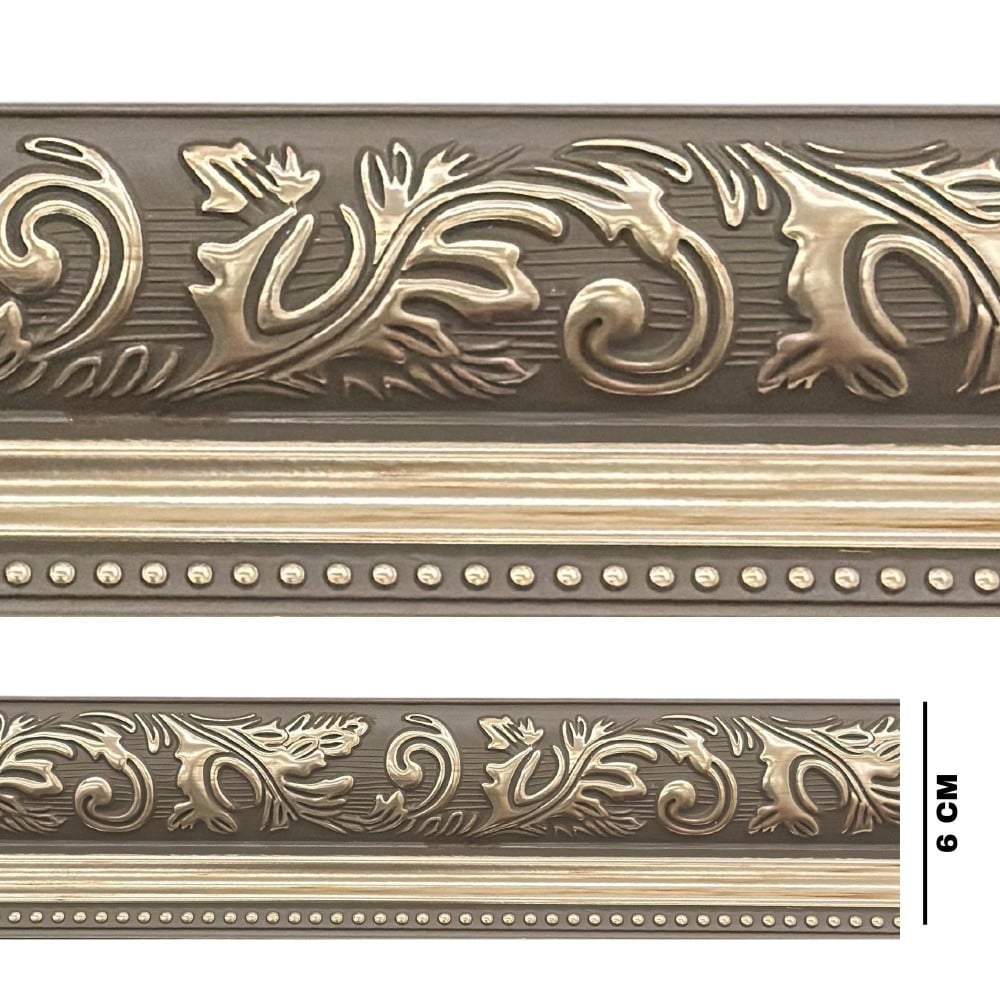
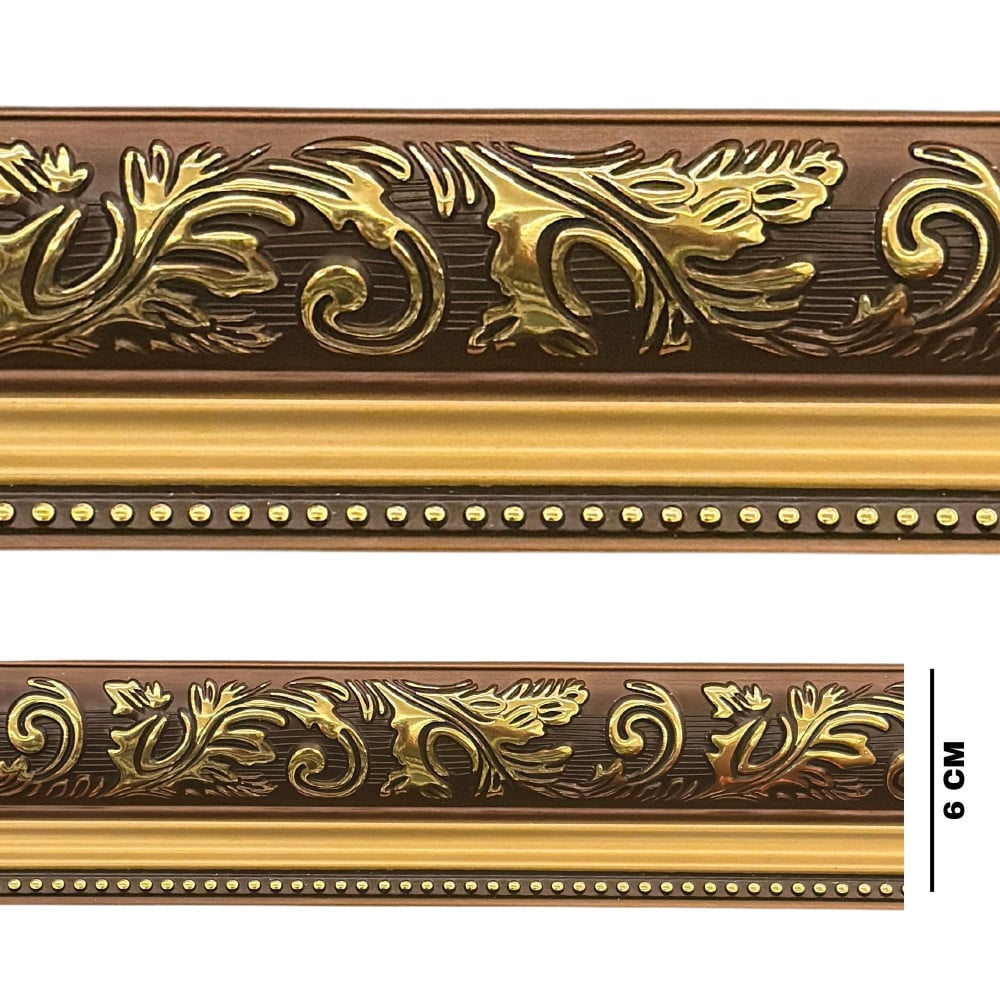
- The classic frame was used to reflect the elegance of the painting and evoke a charming, classic feel
- Available in several options and sizes
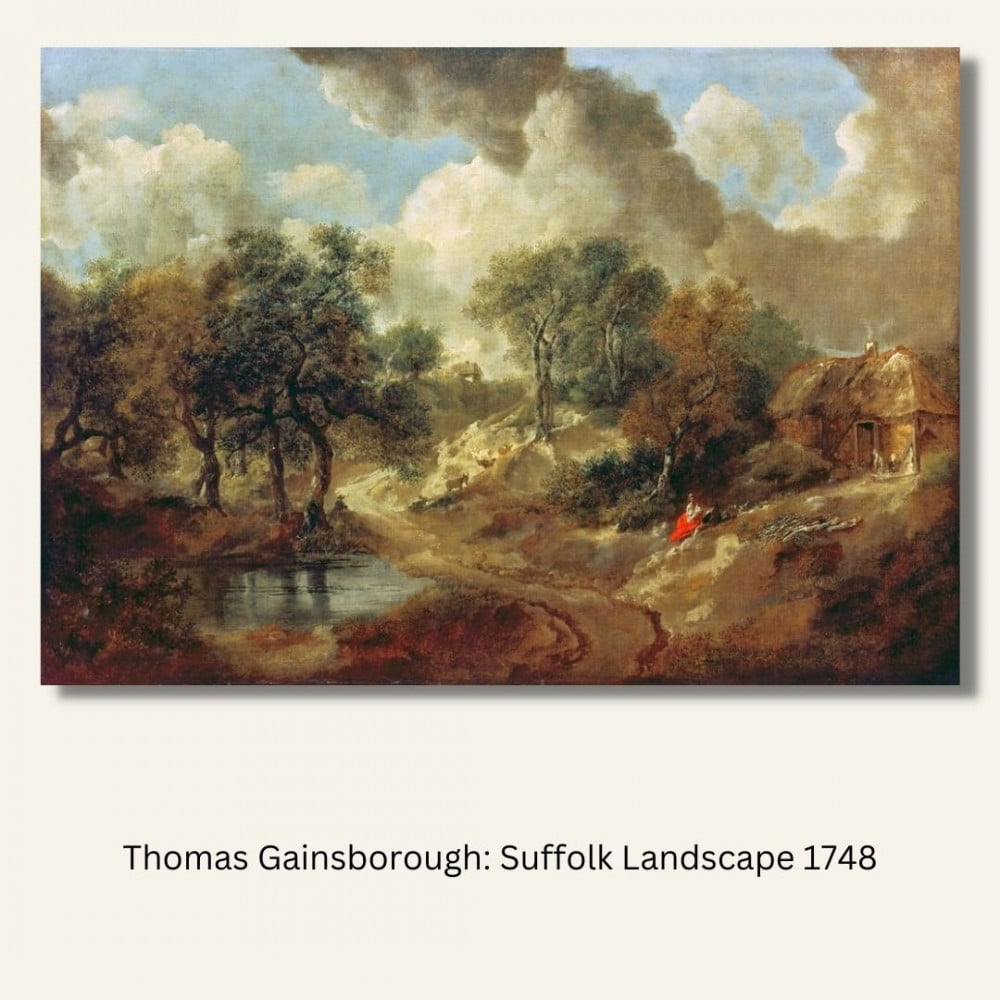
A painting called ( Suffolk Landscape ), a painting painted by Gainsborough in 1748
We present to you an overview of the artist of the painting:
Thomas Gainsborough 1727 - 1788 was an English portrait and landscape painter and printmaker.
He is considered one of the most important British artists of the second half of the eighteenth century. He painted quickly, and his works are characterized by light colors and easy lines. Although a prolific portrait painter, Gainsborough gained greater acceptance for his landscapes.
He is credited (along with Richard Wilson) as the originator of the British Landscape School in the 18th century. Gainsborough was a founder member of the Royal Academy
Born in Sudbury, the youngest son of John Gainsborough, a weaver and maker of woolen goods, he is said to have invented the method of condensing steam in a separate vessel.
The artist spent his childhood in what is now known as Gainsborough House, and the building still stands and is now a house museum dedicated to his life and art.
As a boy, he impressed his father with his drawing skills, and by the time he was ten, he had painted small heads and landscapes, including a miniature self-portrait. Gainsborough was allowed to leave home in 1740 to study art in London, where he trained under the sculptor Hubert Gravelot. Francis Hyman helped decorate the dinner boxes in Vauxhall Gardens, and contributed one picture to the decoration of what is now the Thomas Coram Children's Institution.
The artist's work, which consisted mostly of landscape paintings, was not popular. Gainsborough painted a portrait of the Reverend John Chafee playing the violin in a landscape in 1752 in the Tate Gallery, London. In 1752, he and his family moved to Ipswich. Portrait commissions increased, and his clients were mainly local merchants. Towards the end of his time at Ipswich, he painted a self-portrait, now in the permanent collection of the National Portrait Gallery, London