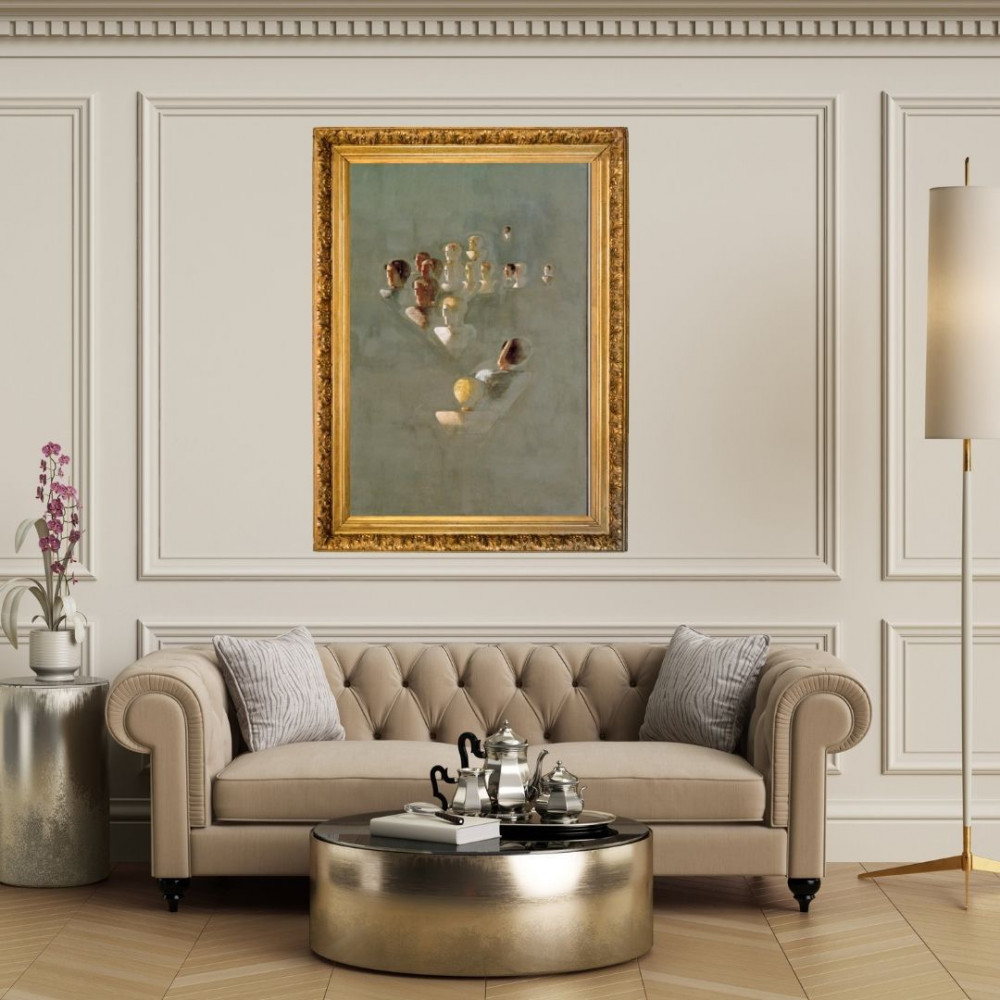
- A wall painting printed from the world's most ancient classical fine art
- It gives the place elegance and elegance, reflected in the precision of colours, art and beauty
- It matches the colors of classic and modern furniture and decor.
- Suitable for home or office walls
- High-quality printing that shows the colors and details of the painting in a way that illustrates the magic of old paintings
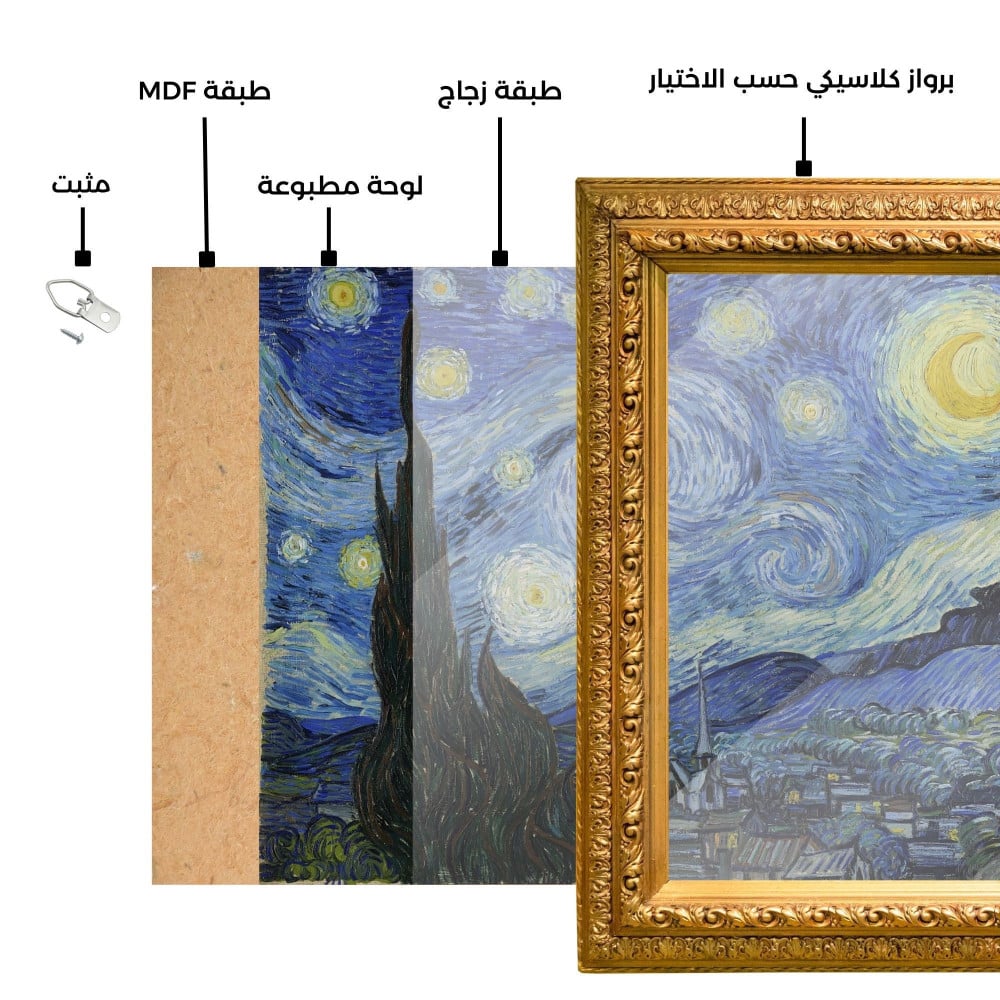
- Coated with glass
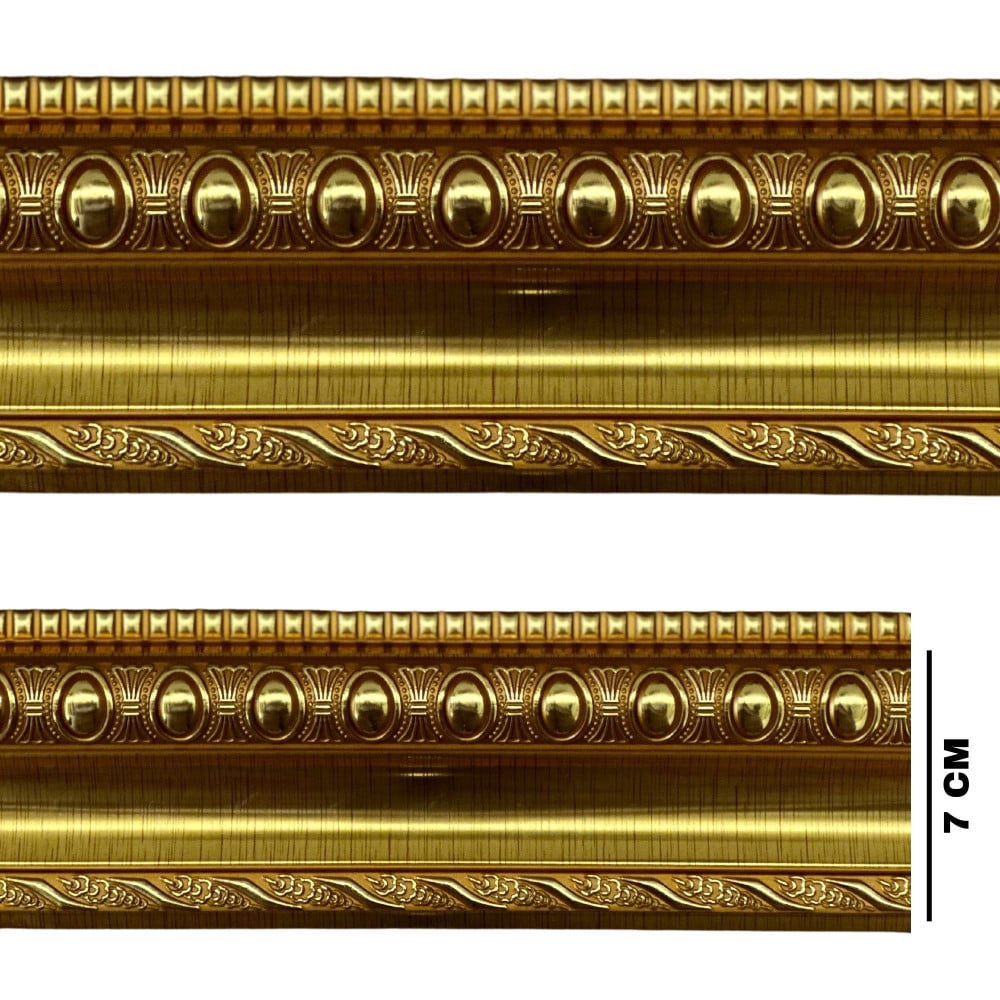
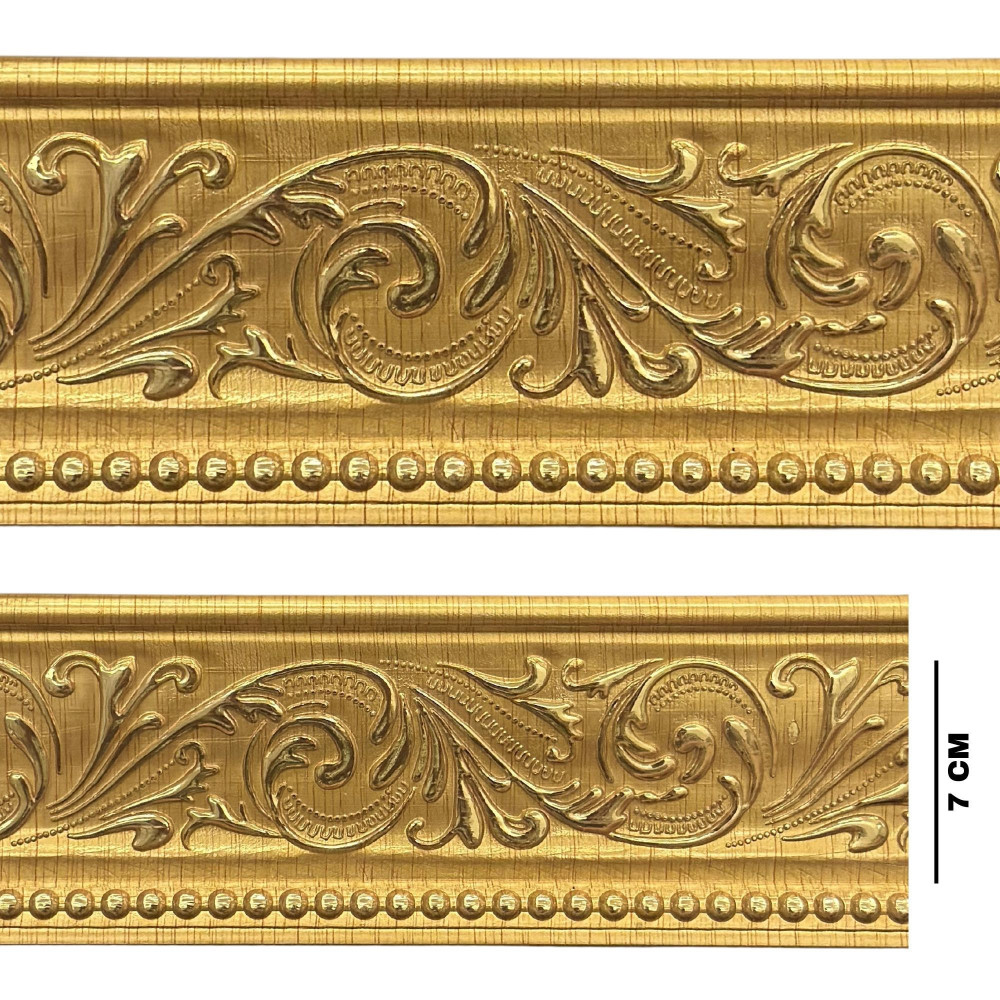
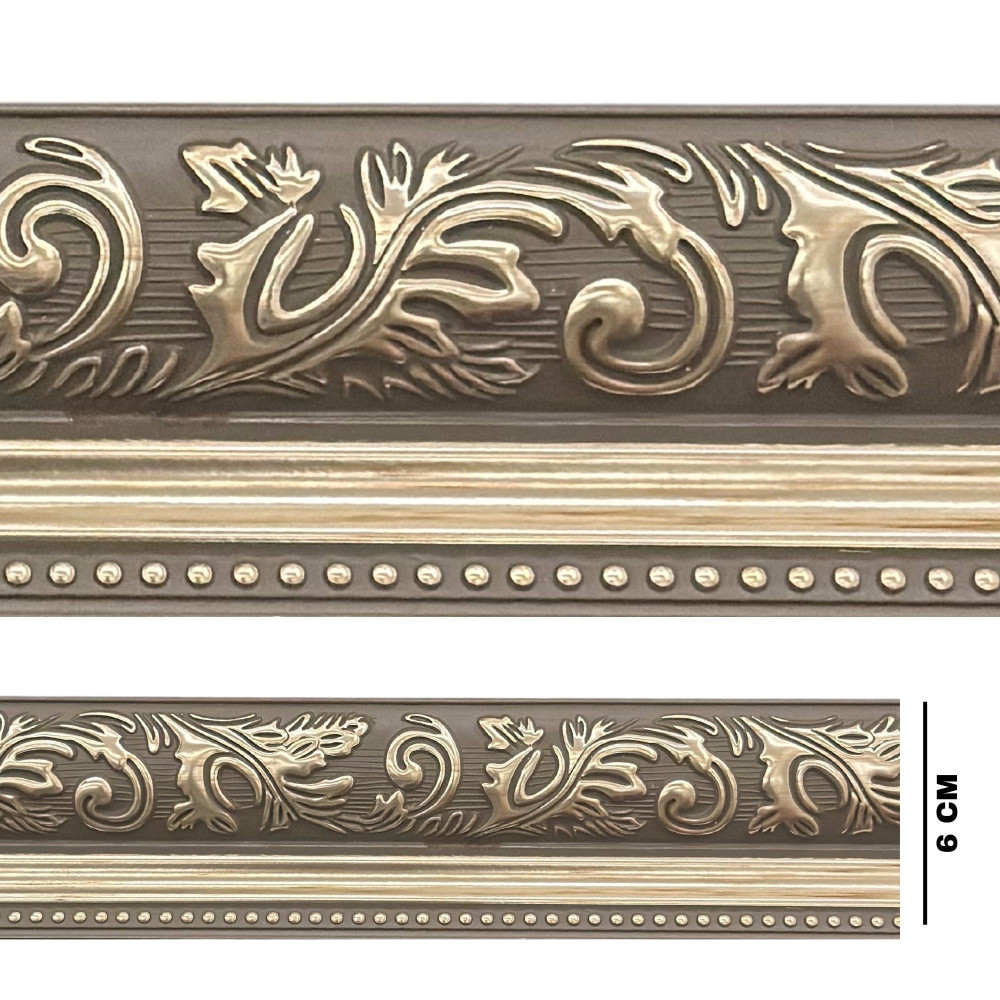
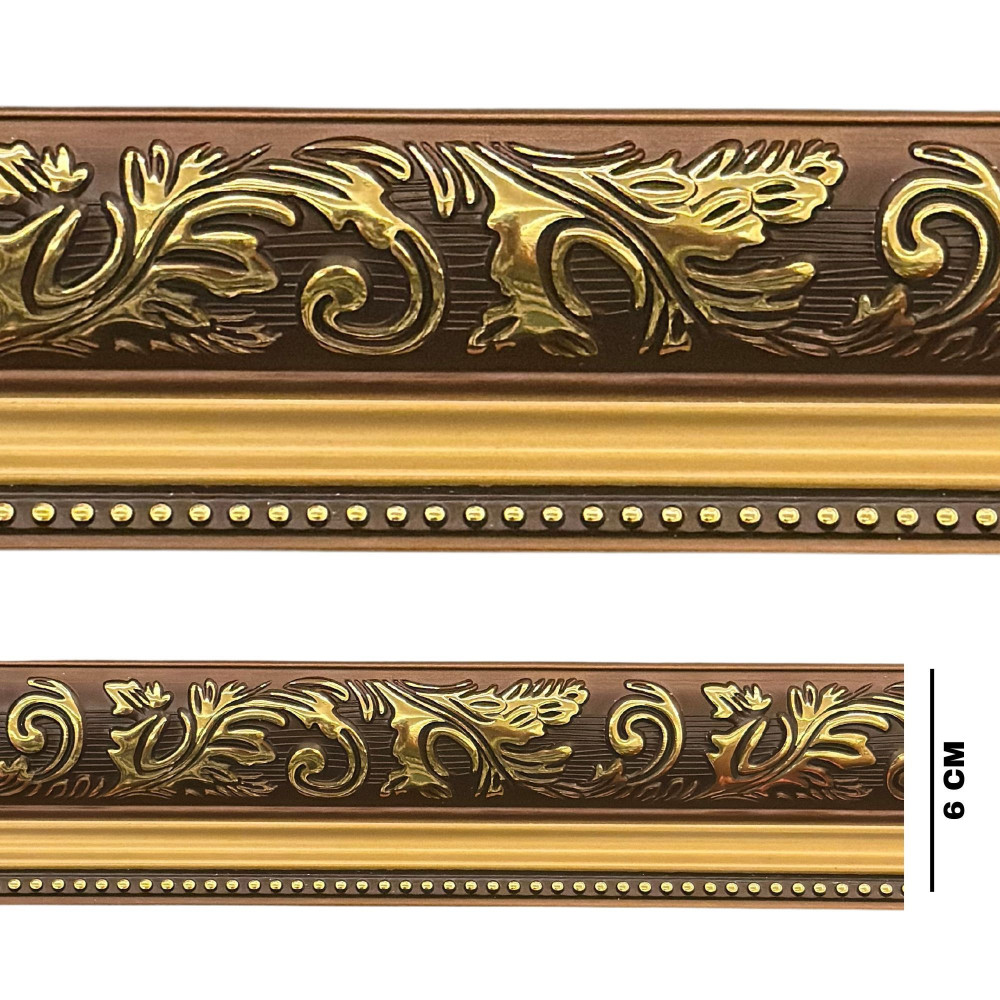
- The classic frame was used to reflect the elegance of the painting and evoke a charming, classic feel
- Available in several options and sizes
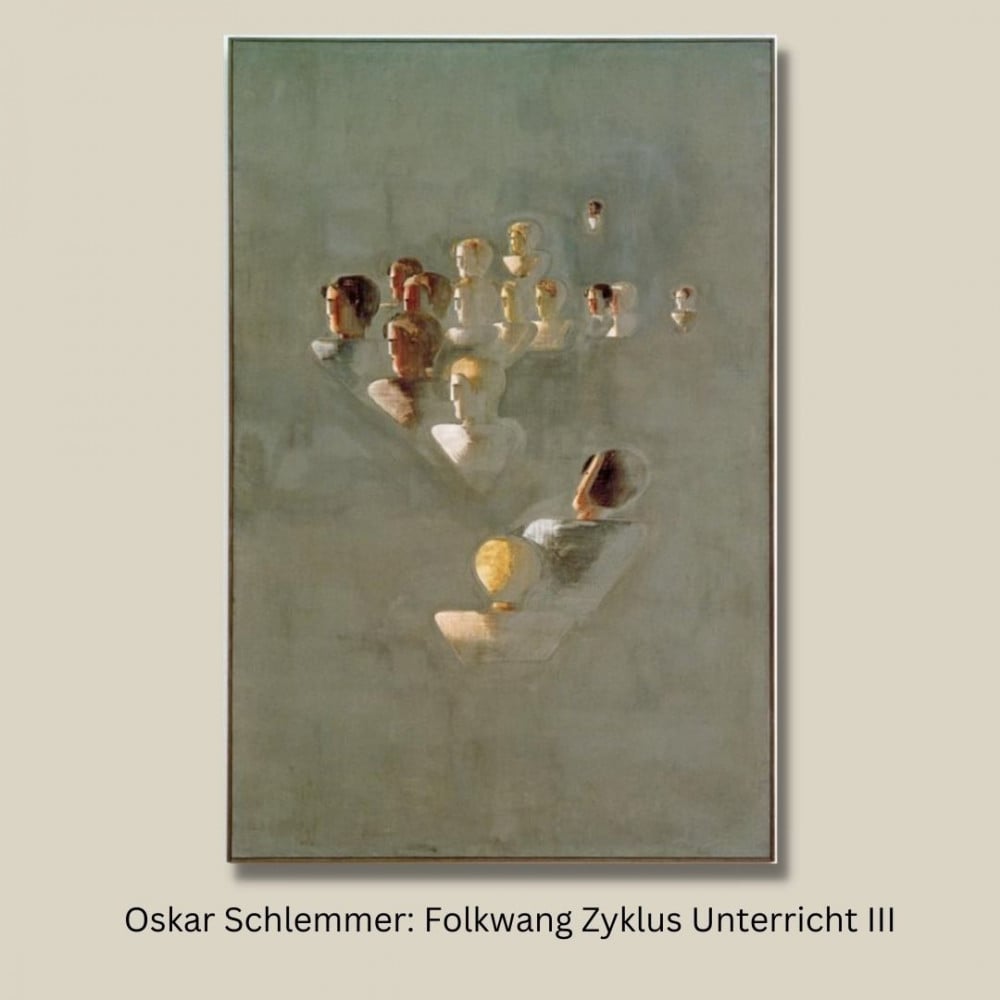
Painting called (Folkwang Zyklus Unterricht III ), painting by Oskar Schlemmer
We present to you an overview of the artist of the painting:
Oskar Schlemmer (1888 - 1943) German painter, sculptor, designer and choreographer
Linked to the Bauhaus School, which is an art school whose mission is to integrate craft and fine or plastic arts
He was born in Swabia, Germany, the youngest of six children. His parents died and he lived with his sister and learned at an early age to support himself. By 1903 he was completely independent and supporting himself as an apprentice in a setting shop.
Oskar Schlemmer studied at the School of Applied Arts in Stuttgart and won a scholarship to attend the Stuttgart Academy of Fine Arts, where he studied under the tutelage of landscape painters Christian Landenberger and Friedrich von Keller.
In 1910 Schlemmer moved to Berlin where he painted some of his first important works before returning to Stuttgart as a major student of the abstract artist Adolf Hölzel, abandoning Impressionism and turning towards Cubism in his work. In 1914 Schlemmer was drafted to fight on the Western Front in World War I until he was wounded and transferred to a position with a military cartographic unit in Colmar, where he resided until returning to work under Hölzel. The doll-like figures he created in this period may have been a reaction to the wounded soldiers he saw in military hospitals during the war.
In 1919 Schlemmer turned to sculpture and had an exhibition of his work at the Der Sturm Gallery in Berlin. At the same time, he helped modernize the curriculum at the Stuttgart Academy of Fine Arts by appointing new faculty and exhibiting modern art. Schlemmer was invited to Weimar by Walter Gropius to direct the Bauhaus's mural painting and sculpture departments before taking over the theatrical works of art workshop from Lothar Schreyer.
Schlemmer became internationally famous with the premiere of his "Triadisches Ballett" in Stuttgart in 1922.
Faceless female figures were usually the dominant subject of his paintings. While at the Bauhaus, after using Cubism as a starting point for his structural studies.
Schlemmer worked on nine murals for a room in the Folkwang Museum in Essen.
Schlemmer took a position at the Academy in Breslau, where he painted his most famous work, "Bauhaus Stairway"
He spent the last ten years of his life in a state of "internal migration". His series of eighteen small mystical paintings entitled Fensterbilder “Window Pictures” were painted while he looked out the window of his house and observed the neighbors engaged in their domestic tasks. This was Schlemmer's last work before he died of a heart attack