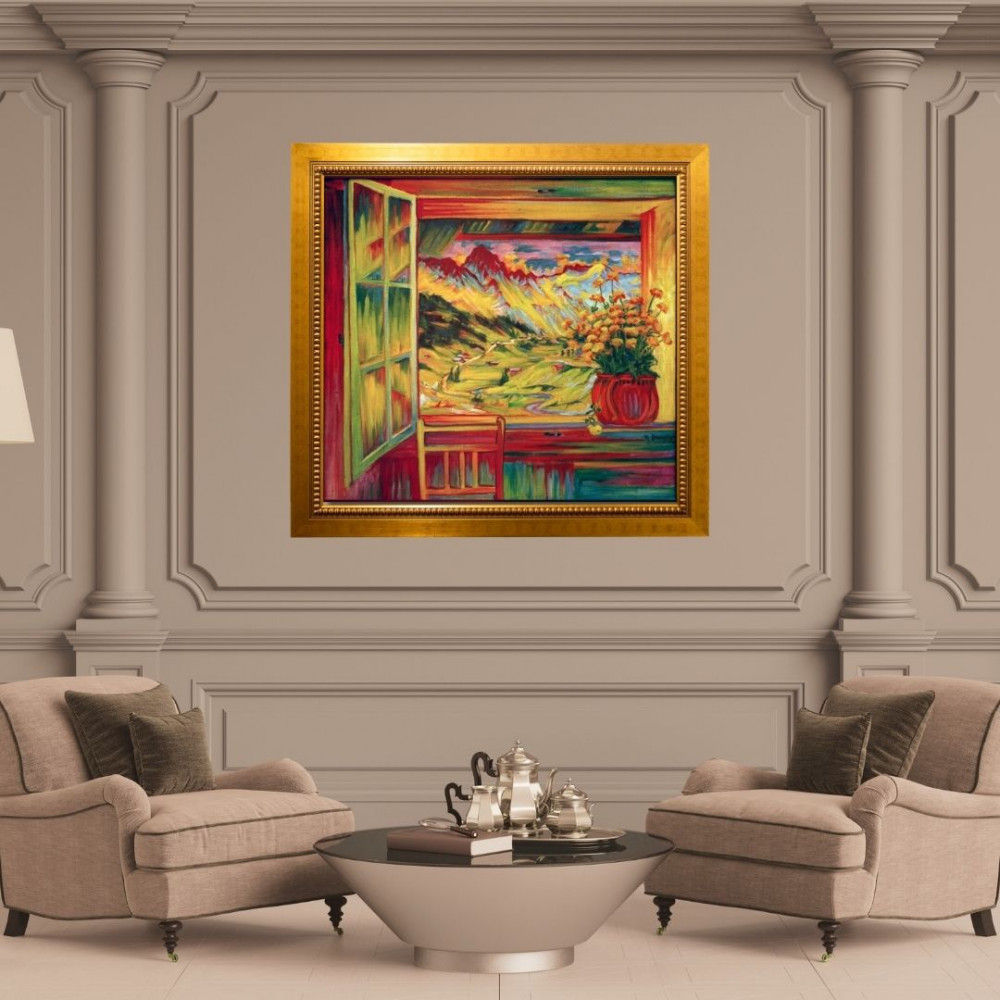
- A wall painting printed from the world's most ancient classical fine art
- It gives the place elegance and elegance, reflected in the precision of colours, art and beauty
- It matches the colors of classic and modern furniture and decor.
- Suitable for home or office walls
- High-quality printing that shows the colors and details of the painting in a way that illustrates the magic of old paintings
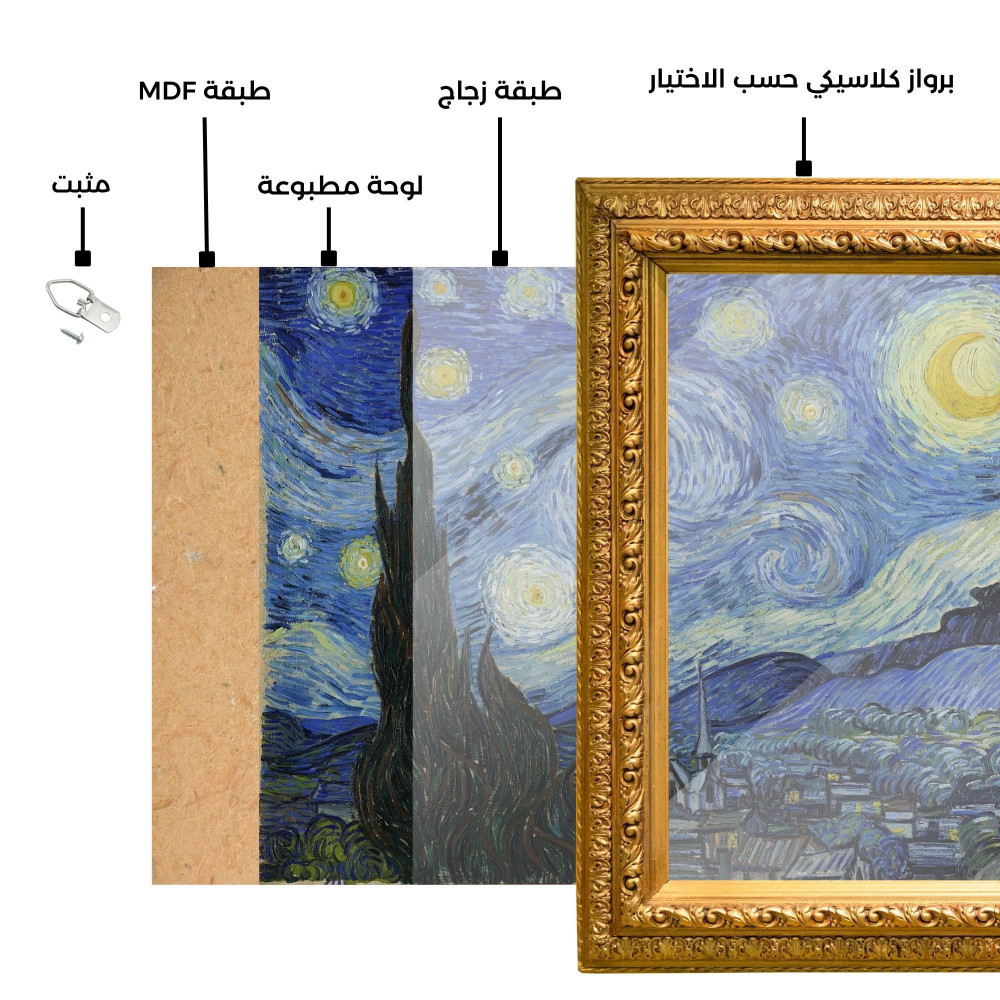
- Coated with glass
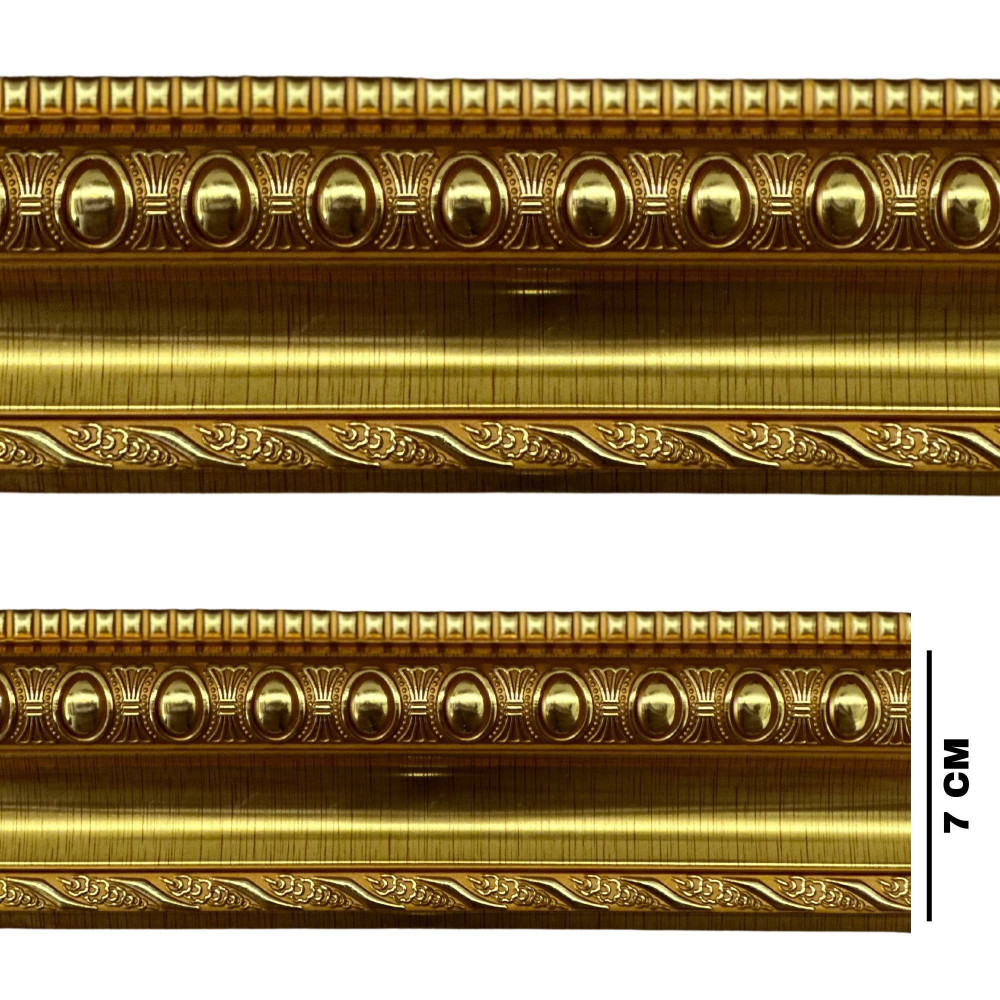
- The classic frame was used to reflect the elegance of the painting and evoke a charming, classic feel
- Available in several options and sizes
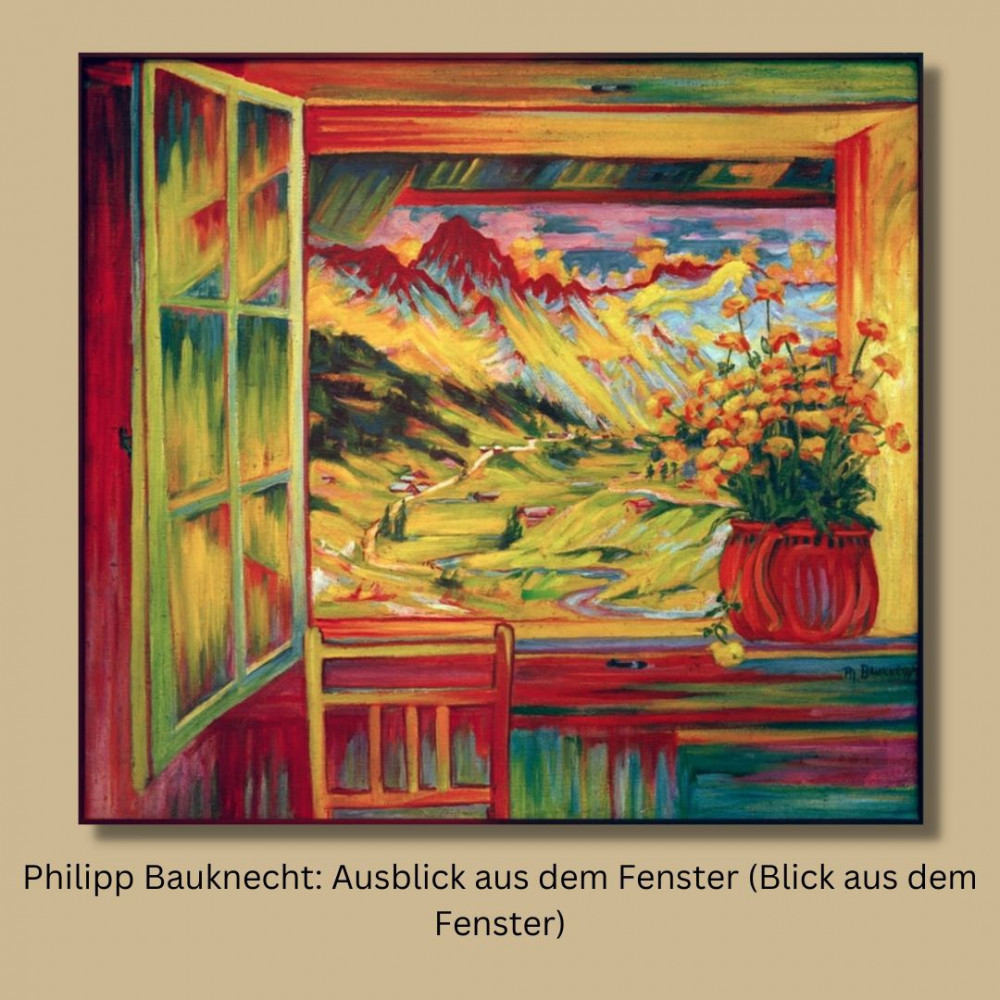
A painting called (( Ausblick aus dem Fenster (Ausblick aus dem Fenster)) A painting drawn by Philipp Bocknecht 1920
We present to you an overview of the artist of the painting:
Philipp Bocknecht 1884 - 1933, German expressionist painter and graphic artist
Most of his works are landscapes and still lifes.
He was born in Barcelona, where his father worked as a watchmaker and goldsmith. He completed an apprenticeship at a carpentry school in Nuremberg, then entered the State Academy of Fine Arts in Stuttgart where he studied with Bernhard Bangkok. After graduation, he joined the school staff.
Around 1910, he was diagnosed with tuberculosis and moved to Davos, a spa town in Switzerland, where he befriended the writers Klapund and Erwin Buechel. The surroundings of the Swiss Alps and his illness inspired him to create works dealing with mountains, landscapes, villages, skiing, hiking, rural life, illness and death.
Although his health improved, he refused to return to Germany, because he was opposed to the war. He appears to have lived very poorly, in a log cabin, and the proceeds of his first exhibition were seized to pay off debts. During this time, he became a misanthrope; He satirized the people of Davos and the guests who came there to visit the spa. In 1917, one of these guests was the famous artist Ernst Ludwig Kirchner. At first, they were friends, but they slowly became enemies.
He exhibited his paintings and woodcuts widely throughout Switzerland and Germany. In 1925, he married the wealthy Ada van Bloemsteyn from the Netherlands and traveled with her there. They had one son. Although he was now financially secure, his health began to deteriorate, so he returned to Davos and died there, while undergoing surgery for stomach cancer. His wife took his remaining works to Baarn in the Netherlands and hid them from the Nazis. In Germany, his paintings were declared "degenerate art" and some of them were exhibited at the Degenerate Art Exhibition in Munich in 1937. Most of his works there were eventually destroyed or lost. It was not until 1960 that his works were rediscovered and re-evaluated.