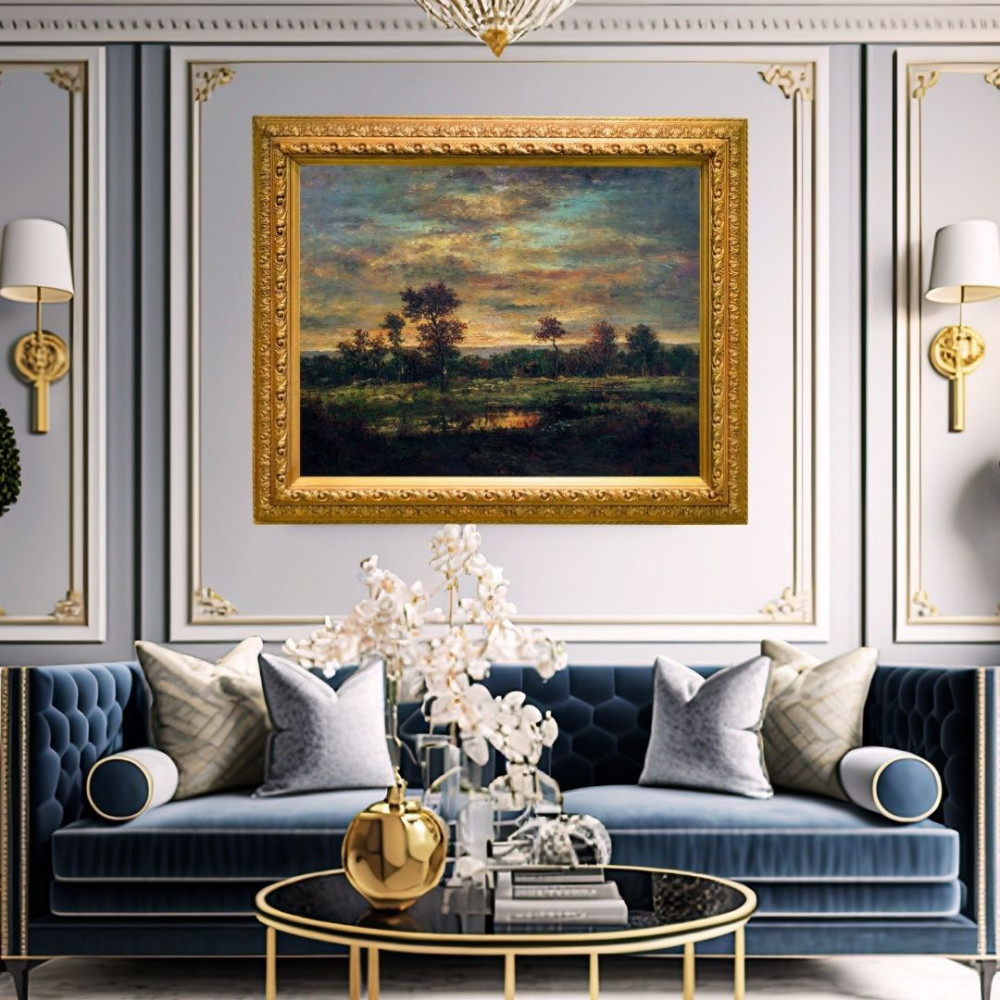
- A wall painting printed from the world's most ancient classical fine art
- It gives the place elegance and elegance, reflected in the precision of colours, art and beauty
- It matches the colors of classic and modern furniture and decor.
- Suitable for home or office walls
- High-quality printing that shows the colors and details of the painting in a way that illustrates the magic of old paintings
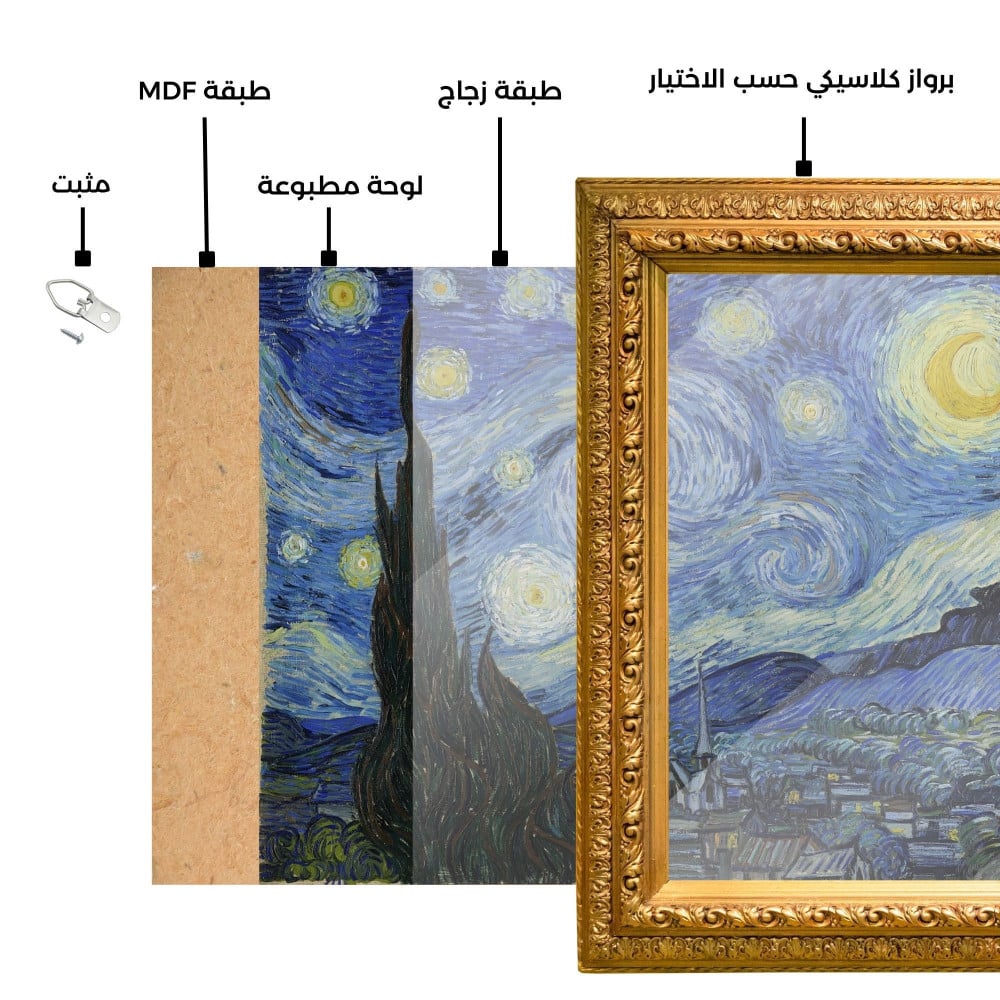
- Coated with glass
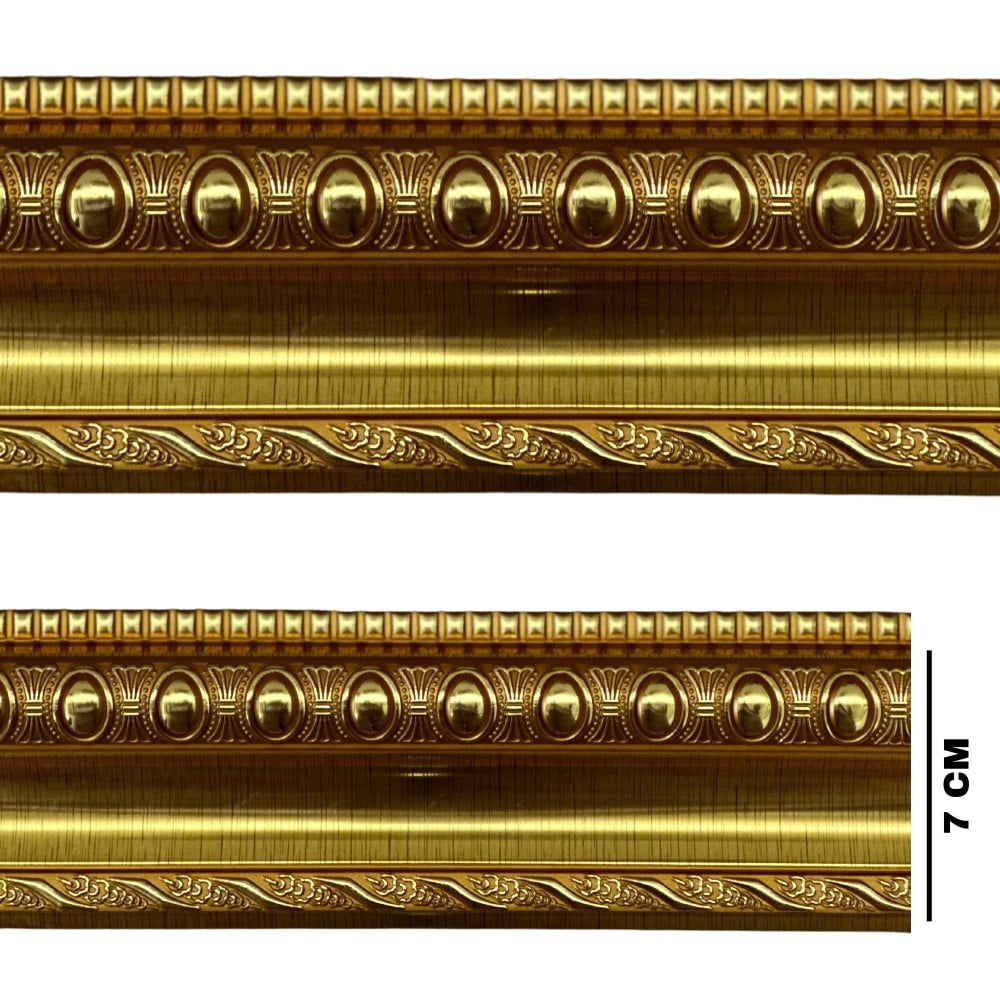
- The classic frame was used to reflect the elegance of the painting and evoke a charming, classic feel
- Available in several options and sizes
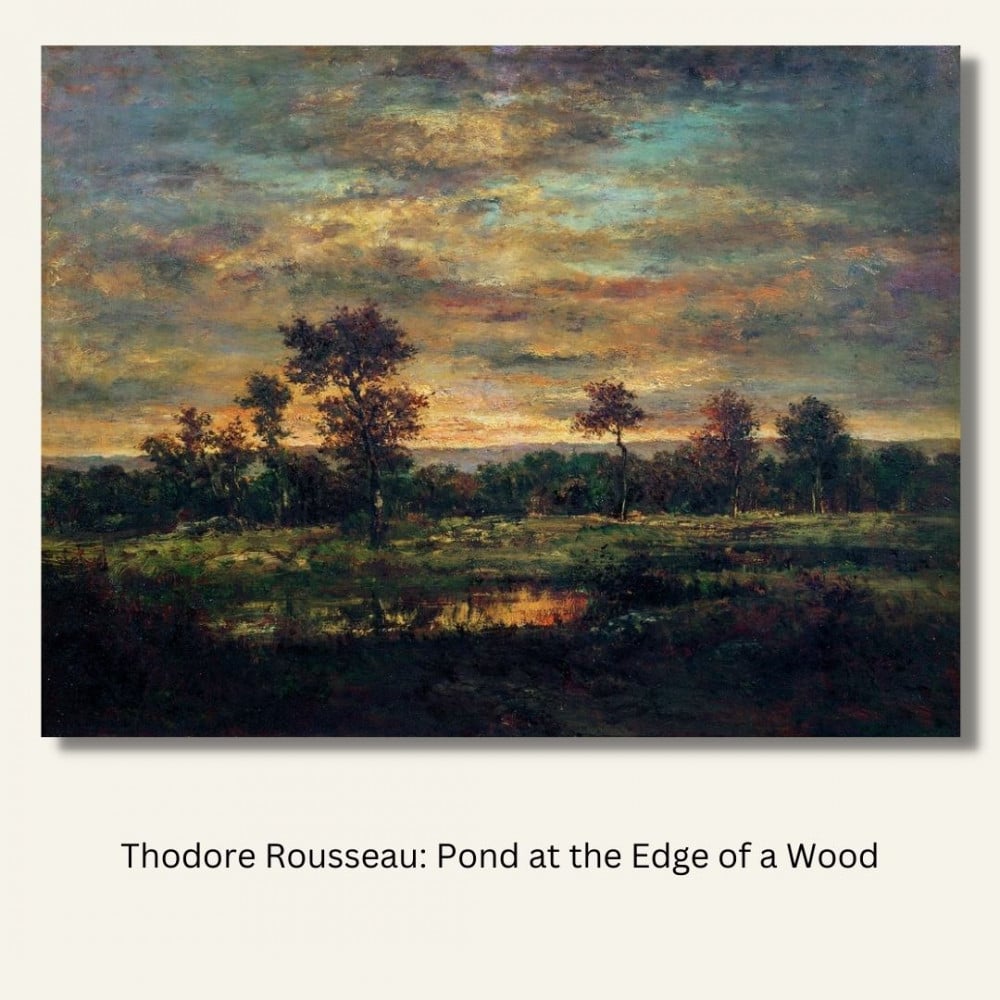
A painting called ( Pond at the Edge of a Wood ) painted by Rousseau in 1852
We present to you an overview of the artist of the painting:
Etienne Pierre Théodore Rousseau 1812-1867 French painter
He was born in Paris, France into a bourgeois family. At first he received a basic level of training, but he soon showed an aptitude for drawing. Although his father initially regretted the decision, he reconciled with his son who had given up the business, and throughout his career was sympathetic to him in all his conflicts with the authorities of the Paris Salon. Théodore shared the difficulties of Romantic painters in securing a place for their pictures at the annual Paris Exhibition. The influence of classically trained artists against them was great, and Rousseau was not adequately introduced to the public until 1848.
The Dallas Museum of Art had exhibited six works at the Salons, but in 1836, the Salon jury rejected his magnum opus (The Descent of the Cows in the Jura).
Rousseau sent a total of eight other works to the Salon between 1836 and 1841; However none of them were accepted. After that, he stopped sending work to the Salon until 1849, when his three orders were accepted. He was not in attendance with the heroes of the press, and became known as "the Great Refusal" through the writings of his friend Théophile Thoré, a critic who then resided in England and wrote under the name Berger. During these years of artistic exile, Rousseau produced some of his best pictures: The Chestnut Avenue, The Marsh in the Landes (now in the Louvre), Hoar-Frost (now in America); and in 1851, after the reorganization of the Salon in 1848, he exhibited his masterpiece, The Edge of the Forest (also in the Louvre), a picture similar in treatment, but slightly different in subject, to the composition called A Glade in the Forest of Fontainebleau, in the Wallace Collection at Hertford House, London
Rousseau's pictures are always serious in nature, with an air of wonderful melancholy. Rousseau spent so much time developing his themes that his completely completed works are relatively few. He left several panels with parts of the image realized in detail and the rest rather vague; As well as a large number of sketches and watercolor drawings. It is rare for his pen to work in monochrome on paper. There are a number of good pictures of him in the Louvre.